Overview
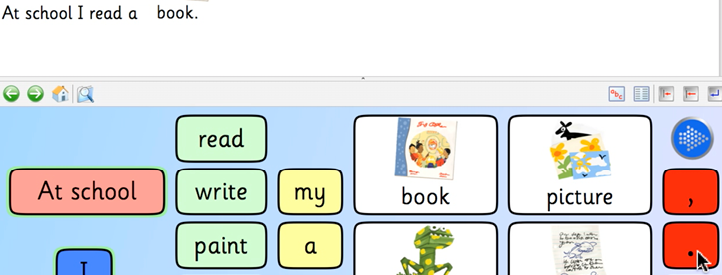
Writing is a complex process that involves both the motor aspects of handwriting and the cognitive component of creating or composing written material. This module will focus on assistive technology assessment for the motor aspects of writing.
Specifically, the module will follow the WATI assessment process as it systematically progresses through information gathering, decision-making, and implementation planning. The WATI Assistive Technology Decision-Making Guide supports the team with guiding questions designed to yield information about the student, environment(s), and tasks.
This module is Part I of two parts. Part II, "Writing: Motor Aspects - WATI - Part II," will further explore tools for writing.
Estimated Time to Complete: 1 1/2 hours
- What's Included
- 25 pages
- Pre/post-assessments
- Free Certificate
- List and describe five motor aspects of writing.
- Describe the characteristics of students who may benefit from AT for the motor aspects of writing.
- Describe the first three components and supporting tools of the WATI AT assessment process, including referral, information gathering, and decision-making.
- Identify resources for gaining a deeper understanding of AT for the mechanics of writing.
Cindy Nankee OTR/L, ATP
Cindy is an assistive technology consultant and a registered occupational therapist. Her background includes 25+ years as a school-based OT, 9 years with Wisconsin Assistive Technology Initiative (WATI), and 5 years as the committee chairperson for the Wisconsin Assistive Technology Across the Lifespan Conference.
This module was developed in collaboration with WATI and provides updated content from the Assessing Students' Needs for Assistive Technology (ASNAT) - IDEA discretionary grant #: 9906-23. 1992-2009
Module Content
You can download a document that includes all content from the module, with the exception of videos. This resource can support your learning while completing the module or be saved for future reference.
Additional Documents
A Comparative Study of Handwriting and Computer Typing in Note-Taking by University Students
A Short-Term Graphomotor Program for Improving Handwriting Readiness Skills of First-Grade Students
Chapter 1 - WATI Environmental Observation
Facilitating Written Work Using Computer Word Processing and Word Prediction
Grip Form and Graphomotor Control in Preschool Children
Handwriting Difficulties in Primary School Children: A Search for Underlying Mechanisms
Predicting Occupational Performance: Handwriting Versus Keyboarding
School Based Assistive Technology Writing Evaluation: An Interdisciplinary Approach
The Wold Sentence Copy Test and Academic Performance
WATI AT Decision-Making Guide - Motor Aspects of Writing
WATI Environmental Observation Guide
WATI Referral / Question Identification Guide
WATI Student Information Guide
WATI Student Information Guide - Composition of Written Material
WATI Student Information Guide - Computer and Device Access
WATI Student Information Guide - General
WATI Student Information Guide - Motor Aspects of Writing
WATI Student Information Guide - Seating, Positioning, and Mobility